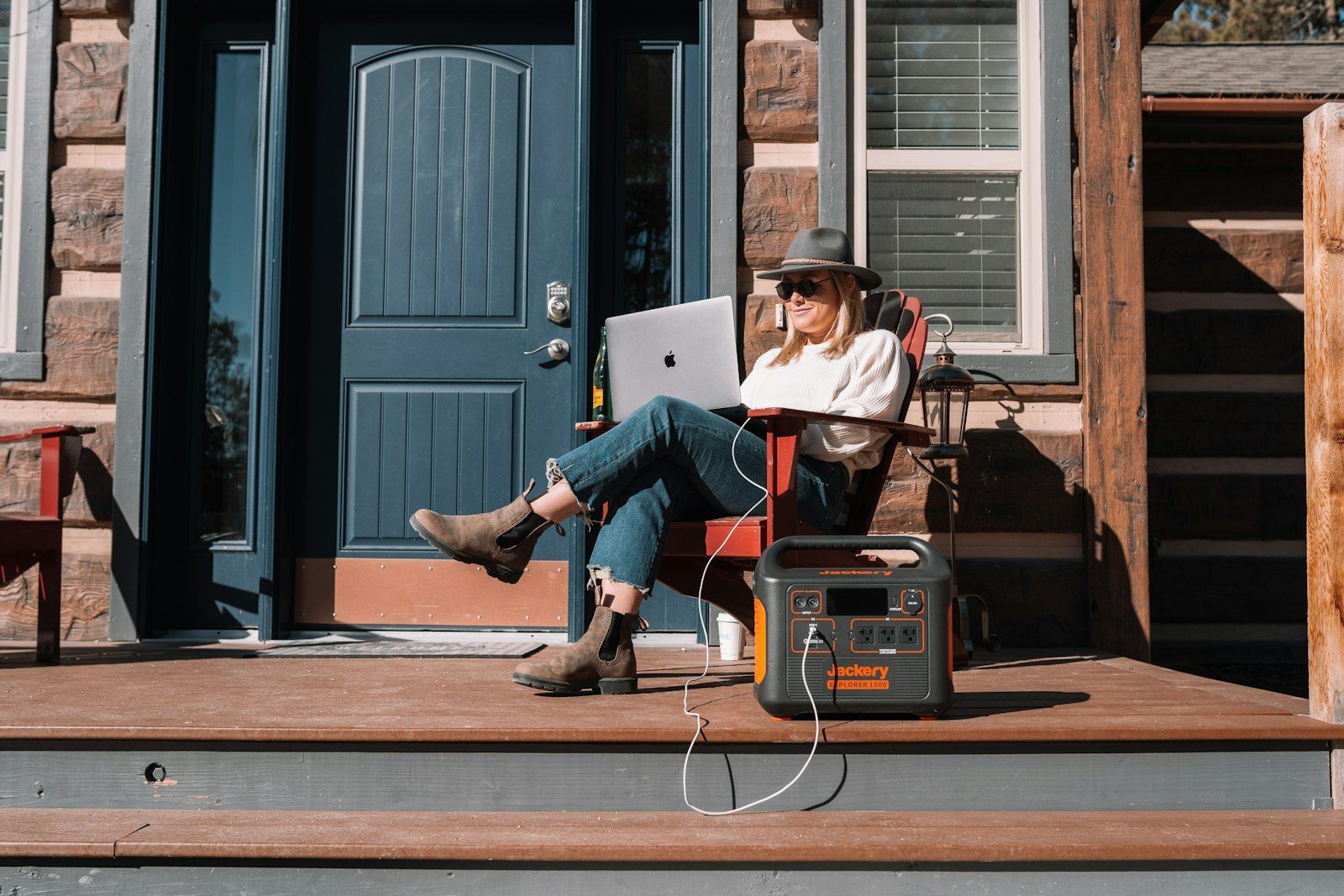
In a long outage, what matters isn't just the battery. It's how much the sun can put back each day. We ranked 15 models by their verified solar input and capacity.
Why it's here: A high solar input relative to its battery means a single sunny morning can put back what you used overnight, which is what keeps you going through a multi-day outage.
The rule: 1,000–2,000 Wh class, ranked by the fewest hours of full sun needed to refill from empty at its maximum solar input.
Why it's here: More solar watts means you can hang more panels and recover more energy per day, the closest a battery system gets to running indefinitely.
The rule: The highest maximum solar input of every model we track.
Why it's here: Start with the base unit and panels, then add batteries later as your budget allows, instead of buying a second system.
The rule: Expandable models, ranked by the maximum capacity one unit reaches with the manufacturer's add-on batteries. The top model here, Anker SOLIX F3800 Plus, already won a pick above, so this is the next one.
Why it's here: The sweet spot for a fridge and essentials: portable, and quick to top up with two or three panels.
The rule: 1,000 Wh class (900–1,300 Wh), ranked by solar input watts per Wh of battery. The top model here, EcoFlow DELTA 3 Plus, already won a pick above, so this is the next one.
Assumes panels deliver 75% of their rated watts in strong sun and that you connect panels up to the station's maximum solar input. "Fridge-days" = energy for a modern fridge averaging 60 W (1,440 Wh/day) after 15% inverter losses.
How to choose a solar generator
Size the battery for one night. It has to carry you from sunset to the next morning. Our watt hour calculator gives you the number.
Size the solar input for one day. To keep going for days, the panels must put back each day what you use. Compare your daily Wh with the "recovered per sunny day" column above.
Check the panels match. Total panel watts up to the max solar input, and the panels' voltage within the station's input range (it's in the manual).
Think about growing later. Expandable models let you add batteries instead of buying a second system.
Keep a backup plan for cloudy days. A week of storms can cut solar to a fraction. Many people pair a solar generator with a small gas generator. See generator vs power station.
Frequently asked questions
What is a solar generator?
A "solar generator" is a portable power station (a large battery with an inverter and outlets) paired with solar panels. It has no engine: the panels recharge the battery during the day, and the battery powers your devices day and night. Kits sell both together; you can also buy panels separately as long as they match the station's solar input.
Can a solar generator power a house?
It can power the essentials of a house (fridge, freezer, lights, Wi-Fi, fans, a CPAP) and, with enough panels, recover each day what you use. Running central air, an electric water heater or a whole house from solar needs a large expandable system with 240 V output installed with a transfer switch, and many more panels than a portable kit includes.
How many solar panels do I need for a solar generator?
Match the panel watts to the station's maximum solar input, and check the voltage range in its manual. As a rule of thumb, panels deliver about 75% of their rated watts in good sun, and most of the US gets roughly 4 to 6 hours of strong sun per day, so 400 W of panels typically recovers about 1,200 to 1,800 Wh on a clear day.
How long does it take to charge a solar generator with solar panels?
Divide the battery capacity by the real solar watts going in. A 1,000 Wh unit with 400 W of panels (about 300 W real) needs a bit over 3 hours of full sun; with 200 W of panels, about 7 hours. The table on this page does the math for every model at its maximum solar input.
Are solar generators worth it compared to gas generators?
They cost more per watt and can't match a gas generator for big loads, but they are silent, safe indoors, need no fuel and almost no maintenance. For essentials during outages, especially where fuel is hard to get after a storm, many people find that worth it. Compare both in our generator vs power station guide.
Specs from manufacturers' official pages and manuals, last checked October 21, 2026. Some maximum solar figures require the manufacturer's optional solar charger or specific panel voltages; check the manual. As an Amazon Associate I earn from qualifying purchases; it never affects which models are picked. See how we pick.