Backup power, sized right

Keep the lights on when the grid goes down

Tell us what you need to keep running. We'll do the math manufacturers use and show you the generators and power stations that can actually handle it, with honest specs and no sponsored picks.

  • 52appliances with running and starting watts
  • 29models checked against manufacturer specs
  • 0sponsored placements. Brands can't pay to rank
  • 100%free, private, no sign-up

How it works

From your appliance list to the right machine in a minute

  1. Pick what must stay on

    The fridge, the sump pump, a CPAP, Wi-Fi… Only what you'd run at the same time during an outage.

  2. We do the real math

    Running watts, the biggest motor start-up surge, a 20% safety margin, 240 V needs and altitude, the same way generator makers size them.

  3. See what actually fits

    The smallest generators and power stations that cover your list, how many hours each battery would last, and nothing bigger than you need.

Your options

Three ways to keep the power on

There's no single best machine. The right one depends on how long your outages last and what you need to run.

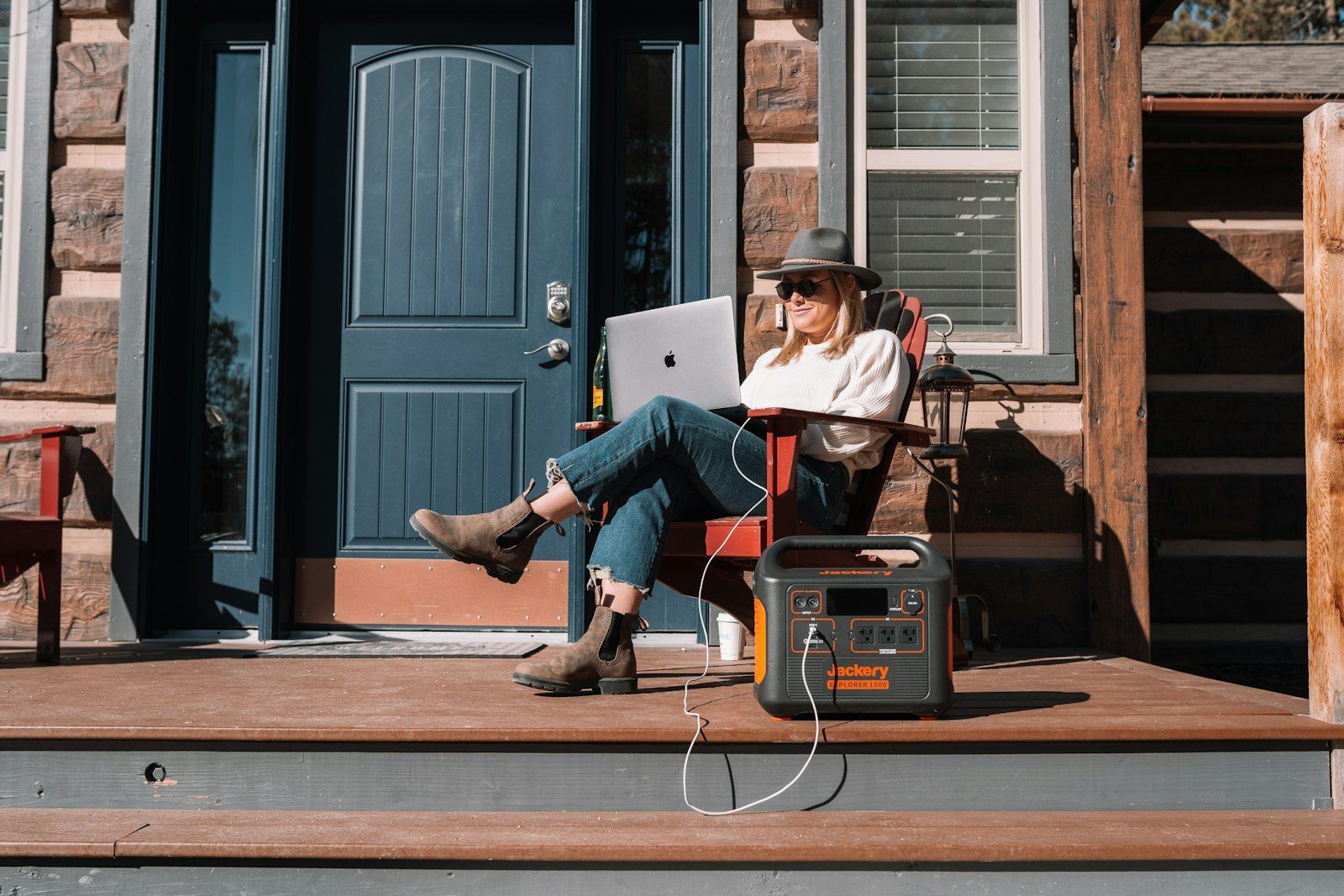
A portable power station charging a laptop on a front porch

Portable power station

A big rechargeable battery with outlets. Plug in what matters and it just works, indoors and in silence.

  • Silent, no fumes, safe inside the house
  • Instant switchover for fridges, CPAP and Wi-Fi
  • Limited hours unless you add solar panels
How many hours would one last?
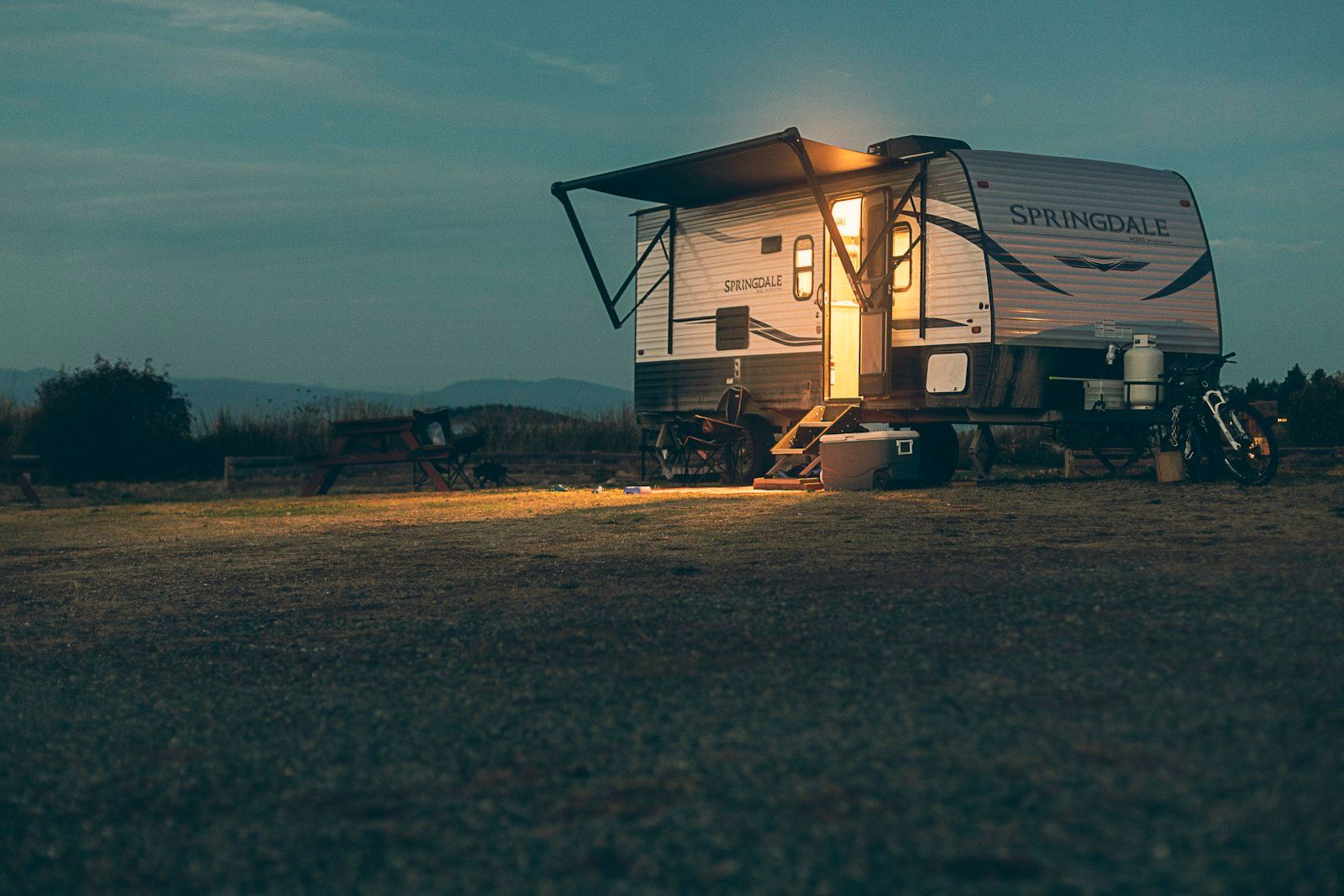
A camper trailer with its lights on at dusk

Inverter generator

A quiet, fuel-efficient generator with clean power that's safe for electronics. A favorite for RVs and short home outages.

  • Runs for days as long as you have fuel
  • Quiet enough for campgrounds
  • Usually tops out around 4,000 watts
Is an inverter big enough for you?
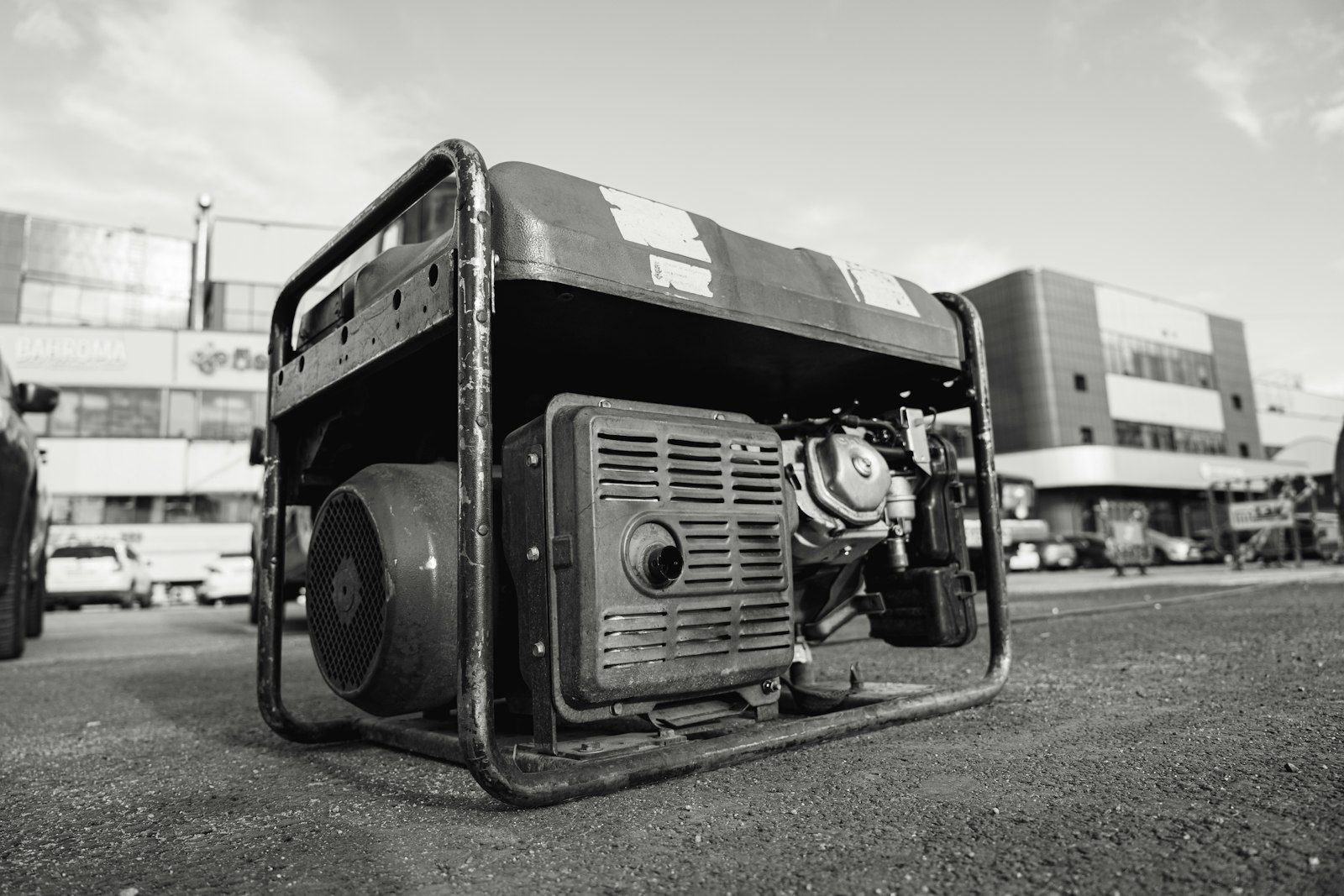
An open-frame portable generator on a parking lot

Portable generator

The most watts per dollar. Often dual fuel and with 240 V for well pumps and central air, through a transfer switch.

  • Powers most of a house
  • Gasoline or propane on many models
  • Loud, heavy, outdoors only
Find the size your home needs
A candle burning on a windowsill in a dark room during a power outage

Why plan ahead

An outage is the worst time to learn your generator is too small

Most bad purchases come from guessing. A generator that can't handle the surge of a fridge compressor or a sump pump will stall exactly when you need it. One that's twice too big costs more, weighs more and burns fuel for nothing.

  • Counts the start-up surge of motors, the number most people miss
  • Flags 240 V appliances like well pumps and central AC
  • Shows how long a battery lasts with your list, not a lab number
A utility worker repairing overhead power lines from a bucket truck

Safety first

The rules that keep your family, and line workers, safe

  • Never run a generator indoors, in a garage or near windows. Keep it 20+ feet from the house.
  • Never plug a generator into a wall outlet. "Backfeeding" can kill utility workers fixing the lines.
  • Use a transfer switch or interlock installed by a licensed electrician, and battery CO alarms inside.